

Exploring the historical evolution of gambling from ancient rituals to modern casinos
The Origins of Gambling: Ancient Rituals and Practices
The practice of gambling can be traced back thousands of years, rooted deeply in ancient civilizations. Archaeological findings suggest that various forms of betting were prevalent among the Egyptians, Chinese, and Romans. These early forms of gambling often intertwined with religious rituals, where participants believed they could influence fate through luck and chance. Dice, made from animal bones, were commonly used in games of chance, symbolizing a connection to the divine. Today, players looking for something different might explore non gamstop casinos that provide unique options in gaming.

In ancient China, around 2300 BC, references to gambling practices appear in historical texts, showcasing the use of betting on the outcomes of games and events. These rituals were not merely for entertainment; they often played a significant role in community bonding and social interaction. The early evidence of gambling illustrates its importance in the social fabric, where it served as a means of leisure, exchange, and sometimes, social stratification.
The Transition to Organized Gambling: The Middle Ages
During the Middle Ages, gambling evolved from informal practices into more organized forms. The emergence of formal gambling houses in Europe marked a significant shift, as these establishments began to offer a variety of games, drawing the nobility and commoners alike. Games such as card playing gained popularity, leading to the establishment of laws and regulations surrounding gambling activities. This era also saw the introduction of lotteries, initially used to raise funds for public projects, which further solidified gambling’s place in society.
However, this period was not without its challenges. Many regions viewed gambling as a vice, leading to bans and regulations aimed at curbing excessive gambling. Despite the pushback, the social allure of gambling persisted, laying the groundwork for the development of modern gaming establishments. The medieval fascination with games of chance set the stage for a cultural acceptance of gambling that would flourish in the subsequent centuries.
The Rise of Casinos: The 18th and 19th Centuries
The 18th century marked a pivotal moment in the evolution of gambling with the establishment of the first official casino in Venice, Italy. This venue pioneered the concept of a dedicated space for gaming, transforming gambling into a sophisticated leisure activity. The allure of casinos spread across Europe, with places like Monte Carlo becoming synonymous with wealth and luxury, attracting elites from all walks of life.
As the 19th century approached, gambling began to take on various forms, including horse racing and the birth of betting parlors. The introduction of commercial gambling further popularized the activity, creating a burgeoning industry. With advancements in technology, games like roulette and blackjack became more widespread, leading to a vibrant gaming culture that persisted into the modern age. This period marked the transition of gambling from a clandestine activity to a mainstream entertainment option.
The Modern Era of Gambling: Technological Advancements and Regulation
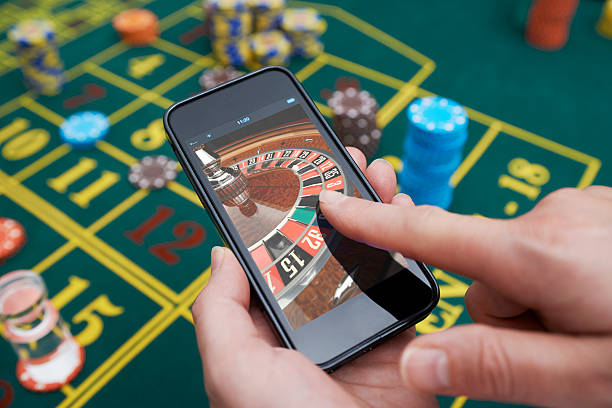
The late 20th and early 21st centuries brought about a technological revolution that dramatically altered the landscape of gambling. The introduction of online casinos marked a new era, allowing players to enjoy their favorite games from the comfort of their homes. This shift not only broadened access but also introduced new dynamics, such as live dealer games and mobile gambling. As technology continued to advance, the gaming experience became more immersive and engaging.
Simultaneously, the rise of regulations aimed at promoting responsible gambling emerged in response to growing concerns over gambling addiction. Many jurisdictions implemented strict guidelines to ensure player safety and fair play. Awareness campaigns and support systems for those struggling with gambling addiction became integral to the gaming industry. This dual focus on innovation and responsible gaming reflects a mature gambling landscape that balances excitement with accountability.
Discovering Alternative Gaming Platforms: A Look at the Future
In recent years, the gaming industry has seen a surge in popularity for non-traditional platforms, catering to a diverse array of players. These platforms often provide a unique alternative to conventional casinos, offering features such as wider betting limits, varied game selections, and attractive promotions. As players increasingly seek personalized gaming experiences, these casinos have adapted by including cryptocurrency payment options and instant withdrawals.
The growing demand for flexible gaming environments underscores the importance of consumer choice in today’s market. As players explore new avenues for entertainment, ensuring safe and fair play remains paramount. The evolving landscape of gambling continues to highlight a commitment to both innovation and responsible gaming, promising an exciting future for enthusiasts around the globe.

Deja una respuesta